Best intake
Venue + date + footprint
Those three details usually tell us more than a long generic event summary.
Contact us
Send the show date, venue, booth footprint, freight timing, and support mix so the conversation can start from the real event conditions instead of from guesswork.
Lead with the venue, show date, footprint, and the support mix already in scope.
Say whether the job is a one-off install, a repeat program, or a regional rollout.
Flag any dock pressure, compressed move-in windows, AV demands, or graphics deadlines early.
Best intake
Those three details usually tell us more than a long generic event summary.
Common pressure
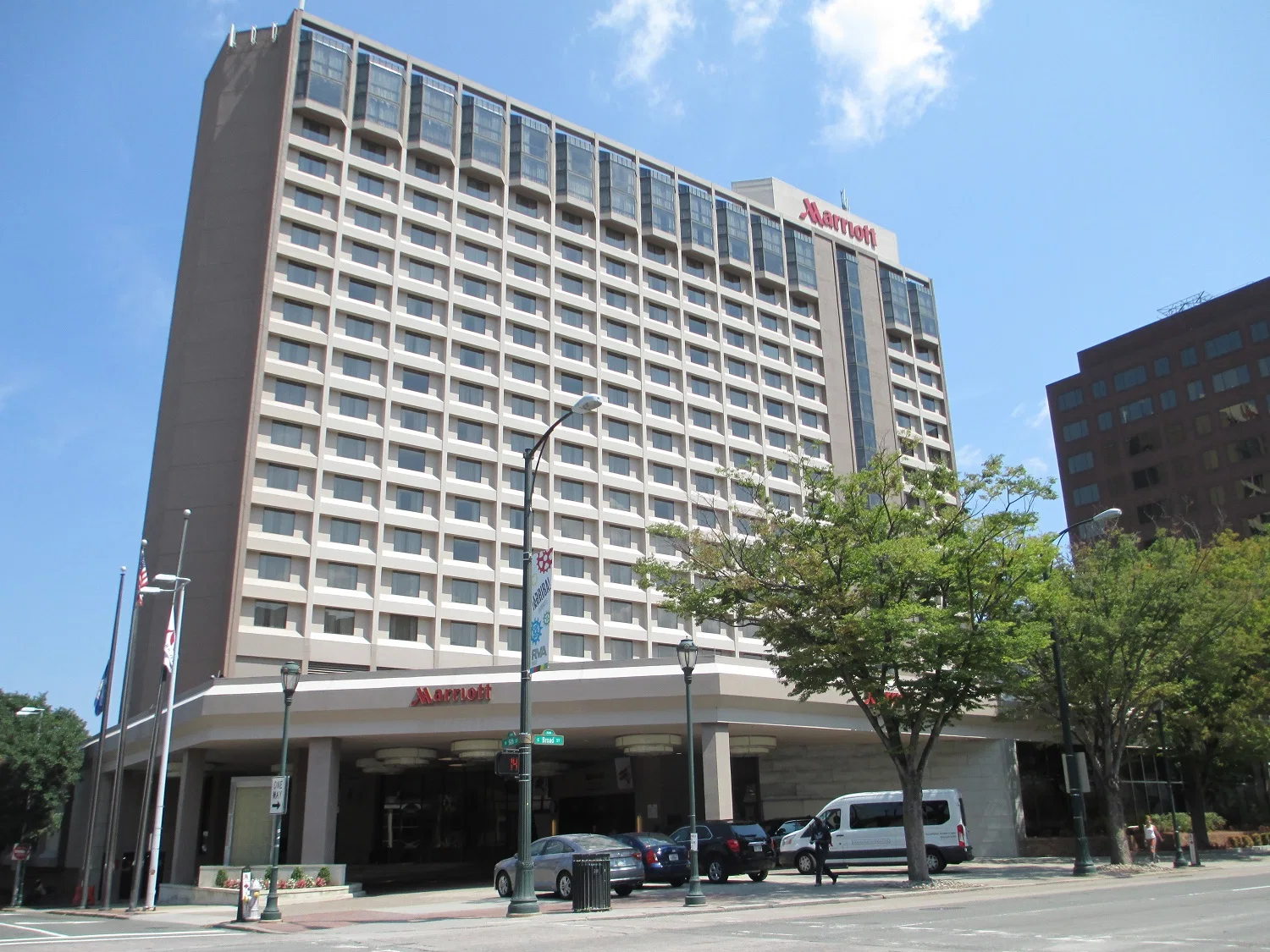
Downtown halls, hotels, and regional venues all put different pressure on labor and freight.
Fastest next step
Share what is still open so the first reply can move into decisions instead of clarifications.
Richmond base
The cleanest first message usually names the venue, the date, the footprint, and the reason the program exists. A booth built for demos, hospitality, lead capture, executive meetings, or sponsor visibility will move differently than a compact display with lighter technical needs.
Richmond programs often move through more than one property or more than one approval chain. Downtown halls, hotel ballrooms, suburban venues, and regional event spaces all bring different timing pressure. Naming the building early usually makes the next steps much easier.
Labor and logistics details are worth sharing right away. If the project needs staffing, show-site supervision, AV support, freight coordination, installation and dismantle, or help with graphics and outbound handling, those items should be visible before the scope is priced.
If the event is part of a repeating calendar, say that too. Reuse changes the way the booth should be packed, refreshed, stored, and moved between stops. A one-off Richmond assignment can be planned differently from a regional rollout.
Project intake
The form works best when the details are practical and direct. A short note about the venue, the schedule, and the scope is usually more useful than a long pitch. If a floor plan, deck, or request for proposal already exists, mention that in the message field.
It also helps to name the audience and the business goal. A booth built for lead generation, sponsorship exposure, product interaction, or hospitality support will be organized differently once the room opens.
If the venue is still being finalized, share the city, the likely district, and the most realistic event window. If the footprint is still under discussion, send the current range. Good planning can begin before every detail is final as long as the core facts are clear.
If multiple teams still need to sign off, note that as well. Marketing, operations, procurement, and leadership often weigh the same project differently, and early visibility helps keep everyone aligned.
Reuse matters too. Some assignments only need one install. Others need a system that can travel, refresh, and stay recognizable over a longer season. That choice affects budget, materials, packing, and labor planning from the beginning.
For the fastest response, include the show date, venue, booth footprint, support needs, and any concerns about freight, graphics, labor, staging, or AV. That gives the team enough context to respond with a workable next step.
If another agency, producer, or internal team is already involved, mention that as well. The more direct the intake, the easier it is to map responsibilities cleanly.
The best contact requests make the work easier to diagnose before it gets expensive. A venue name, a date, a footprint, and a clear support mix usually reveal whether the assignment needs a simple rental approach, a more custom build, or a managed program that folds planning, labor, and show-floor leadership into one schedule.
It also helps to describe the event outcome. Some programs are built to generate leads, some are designed around sponsor visibility, and others need a stronger hospitality layer because the room is doing more than one job.
If the event is part of a regional circuit, say that. Repeat work changes packing, storage, graphics refresh, and how the booth should hold together from one stop to the next.
Freight timing matters just as much. If the load-in is compressed, if the dock window is narrow, or if the venue requires tighter labor coordination than usual, the scope should reflect that pressure from the start.
The same is true for graphics and AV. If the environment depends on larger-format print, stronger monitor support, playback, or a stage element, those needs should be visible early because they change the build sequence and the crew plan.
When several departments are involved, the first note should also say who still needs to approve the work. A clear inquiry gives every stakeholder the same baseline so the next step can move faster.
A strong conversation usually leaves the team with sharper questions: what venue is in play, what footprint is realistic, what can be reused, which pieces need new production, and where the schedule will feel the most pressure on the floor. Those answers shape the whole job.
If the project already has a reference deck, floor plan, or preliminary estimate, note that in the message. The more clearly the current state is described, the easier it is to give a useful first response.
Project context
Richmond inquiries work best when the team can see the venue, the show date, the booth footprint, and the level of support the event really needs. Those four items are often enough to separate a lighter rental assignment from a fuller exhibit program.
It also helps to say whether the job is one-off or repeat. Reuse changes packing, storage, graphics logic, and how the booth should be refreshed from one appearance to the next.
Freight timing and labor expectations matter just as much. If the dock window is tight, if move-in is compressed, or if show-site supervision will be important to keep the floor under control, that should be visible right away.
The business goal behind the event belongs in the same brief. A booth built for lead generation, sponsor exposure, demos, or hospitality support will be organized differently once guests arrive.
The first note does not need to be perfect. It only needs to be specific enough for the team to move toward a real answer instead of another clarification loop.